
Keeping your Holiday Home Safe and Secure
 Keeping your holiday home safe and secure may not be at the forefront of your mind: it’s easy to think that an idyllic, rural location is virtually crime free. However, this could be a costly mistake – both financially and emotionally, as a burglary can cause a great deal of distress.
This time of year, when it gets dark earlier, the risk of a break-in tends to increase as thieves take advantage of the darker evenings. Holiday homes can be an obvious target for a burglar as they may be empty for extended periods of time. Here are some helpful tips that you may want to consider to protect your property.
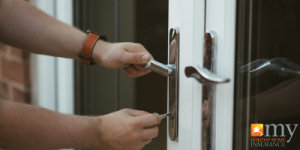
Locks on your doors and windows
Make sure you have good quality locks on your doors and windows to increase your security, and make sure that they are closed and locked properly. Although closing windows sounds like the most obvious thing to do, some holiday home owners leave them slightly open to avoid damp throughout the winter, when the home is left empty. Not only is this a bad idea, it could also invalidate your holiday home insurance.
Even a small opening could be enough for a burglar to gain access. Pay particular attention to ground floor windows, front and back doors, which is where a typical burglar will gain entry.
Alarms
Having an alarm can be a good deterrent for burglars, but it will not stop them from getting in. However, they may try to find an easier target, and it will give your holiday home that added level of security to help put your mind at ease when you’re not around. If your home is in a very rural location with no homes close by, then an alarm may not be as effective as it would be in a more populated area. In this case, you may want to consider other options, such as shutters.
Keys
You may want to leave your keys nearby when your property is empty, so buying a key safe could be a good option for you. Try and secure your safe somewhere discreet, so it is not obvious to a passer-by. Do not leave your keys above door frames, under mats or plant pots, for guests or workman to access them. This is likely to be where a burglar will look first and could invalidate your holiday home insurance.
Secure the outside of your property
If you own any outbuildings or sheds, make sure you have quality locks on them to protect the contents. Do not leave any tools lying around, such as garden forks or spades, and put away any ladders, as these can all be used to gain access to your property.
External lighting
If you can put in motion-detecting lights, or have lights on a timer for a couple of hours each evening, this could be enough to deter a burglar.
CCTV cameras
A burglar may be less likely to break into your property if CCTV is visible. There are some types of technology that will allow you to monitor your property in real-time from a PC, iPad or phone, so it could be worth the investment for more protection.
Regular checks
Having a neighbour or housekeeper visit your home regularly would be useful so they can alert you if there are any signs of damage or suspicious activity. This may also help to deter thieves if the property looks as though it is occupied more often.
Thieves are opportunists, so if you try to make it as difficult as possible for unauthorised entry into your property, the thief is more likely to find an easier target. If you have guests, ask them to make sure they secure all windows and doors before leaving the property.
These helpful tips could help minimise the stress of a burglary, and can make your holiday home a lot more safe and secure.
For similar topics like this, please follow us on Twitter, Facebook & LinkedIn.
 Are you thinking about buying a holiday lodge? Owning your own holiday lodge and having a beautiful retreat away from the normal everyday life, sounds like a tempting idea. However, buying a holiday lodge could be a confusing and daunting task, especially if this is your first time, so we’ve put together some helpful tips about what you need to consider before making your final purchase.